Lesson 12 — Helping Hands
Learners discover that helping is a skill they can learn and practice with their own hands, and carry out one real act of helping for a classmate.
Objectives
Objectives
- D02.S4.K.01 Help a classmate or care for a shared space when shown how.
Essential question
How can my hands help a classmate?
Key vocabulary
Materials
Standard materials
- Simple classroom tasks to practice · 1 set Zipping a coat, picking up spilled blocks, passing a pencil
- Paper and crayons · per learner
Low-tech / no-cost
- Voice and body Act out helping — carrying, picking up, passing, comforting — no props needed
- Real small jobs Choose a real job in the room that needs doing and do it together
Enriched / lab & device
- A "helping hands" chart · 1 Pictures of ways hands can help, for learners to choose from
- A photo or video of the class helping · 1 Capture real helping and look at it together afterward
Works in different contexts
- large-group Name a class job, and have the whole group act out doing it together
- self-directed A learner looks around and chooses one way to help a family member or friend, then does it
- outdoor-only Find an outdoor job — carrying water, gathering leaves, steadying a friend on a log — and help
- multi-age An older learner shows a younger one how to do a helping job, then they do it together
- level-grouped Learners who are ready choose and complete a help independently; others help with a model beside them
Lesson 12 — Helping Hands
Summary
Learners learn that helping is something you can do, not just feel — and that their own hands can help a classmate. They practice a few helping jobs and carry out one real act of help.
Objectives
- Help a classmate when shown how. (D02.S4.K.01)
Connection
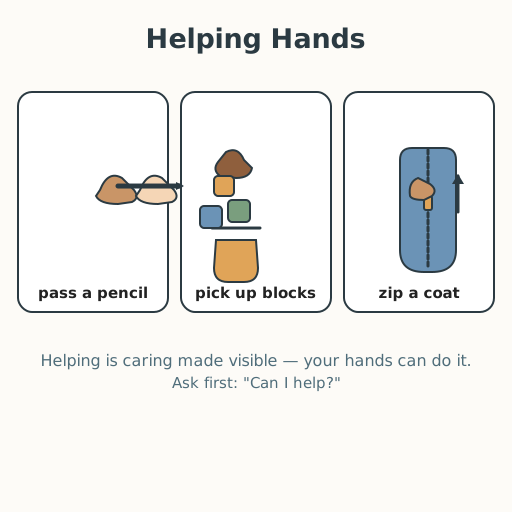
Sometimes a friend needs a hand — a coat that won’t zip, blocks that spilled, a pencil out of reach. Helping is caring made visible: your hands do what your heart wants. And helping is a skill you can learn, one small act at a time.
Materials
- Simple classroom tasks to practice (zipping, picking up, passing)
- Paper and crayons
Preparation
- Choose two or three real helping jobs learners can practice and then actually do.
- Prepare the “helping hands” chart if using one.
Facilitator note
This lesson is written to the learner (“you”) so it works in a classroom and for a self-directed learner. As facilitator, model the helping first (“watch, then try”) and celebrate the trying, not the result. Keep helping voluntary and mutual — helping is something we offer each other as equals, not a favor from above.
Procedure
- Gather (5 min). Look at your hands. They can do many things — including help a friend. Today we will learn how.
- Watch and learn (10 min). I will show you a helping job: zipping a coat, picking up spilled blocks, passing a pencil. Watch first, then try it with a partner.
- Practice helping (15 min). Take turns being the helper and the helped. Show your partner how, then let them show you. Helping is a skill — we practice it together.
- Do one real help (10 min). Look around the room. Choose one real way to help a classmate and do it. If you are not sure how, ask: “Can I help?” and learn.
- Close (5 min). Talk: how did helping feel? How did being helped feel? Remember — your hands can help a friend.
Differentiation
- Support: Pair with an older buddy and practice one simple job at a time.
- Extension: Invite learners to notice a need before being asked and offer help on their own.
Assessment
- Formative (observation): Can the learner help a classmate when shown how?
- Artifact (portfolio): A drawing of “my hands helping a friend.”
Resources
- CASEL SEL Framework (foundational competencies): https://casel.org/fundamentals-of-sel/
Home connection
At home, find one thing you can help with — setting out cups, carrying something, holding a door — and do it. Tell a grown-up how it felt.